

For beekeepers and honey producers, honey quality is just the first part of the production equation. The container you choose to package and display your honey plays a major role in how customers perceive your product, how well it stores, and whether it meets labeling requirements. The right honey jar can help your brand stand out at on the market.
Whether you're bottling a few dozen jars from backyard hives or packaging thousands of pounds of honey each season, understanding your options can improve both your sales and your customer experience! Since consumers often make purchasing decisions in just a few seconds, the jar and label you choose can play a big part in whether your product gets picked off the shelf.
A high-quality honey jar protects honey from contamination and moisture, preserves freshness and flavor, communicates your brand identity, makes shipping and storage easier, and can even create a premium appearance that justifies stronger pricing.
Glass Honey Jars
Glass remains a preferred packaging material for many honey producers because of its clean appearance and excellent preservation qualities.
Glass is a non-reactive material that won't affect flavor. Clear (also called “flint”) glass lets the natural honey shine through. It is a reusable and recyclable option for customers.
Although glass jars are heavier and more expensive to ship, many customers associate them with higher-quality products. They're especially popular among artisanal beekeepers selling raw, local, or varietal honey.
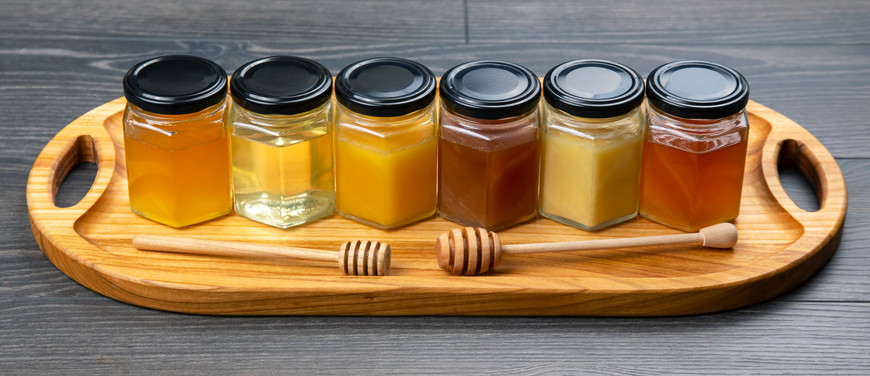
Among the most recognizable options is the classic glass hex honey jar. Hexagonal jars offer an attractive shelf presentation, with a distinctive shape that catches shoppers' attention. They are also efficient to pack and avoid wasted space. Their elegant appearance makes them ideal for premium honey lines and holiday gift sets.
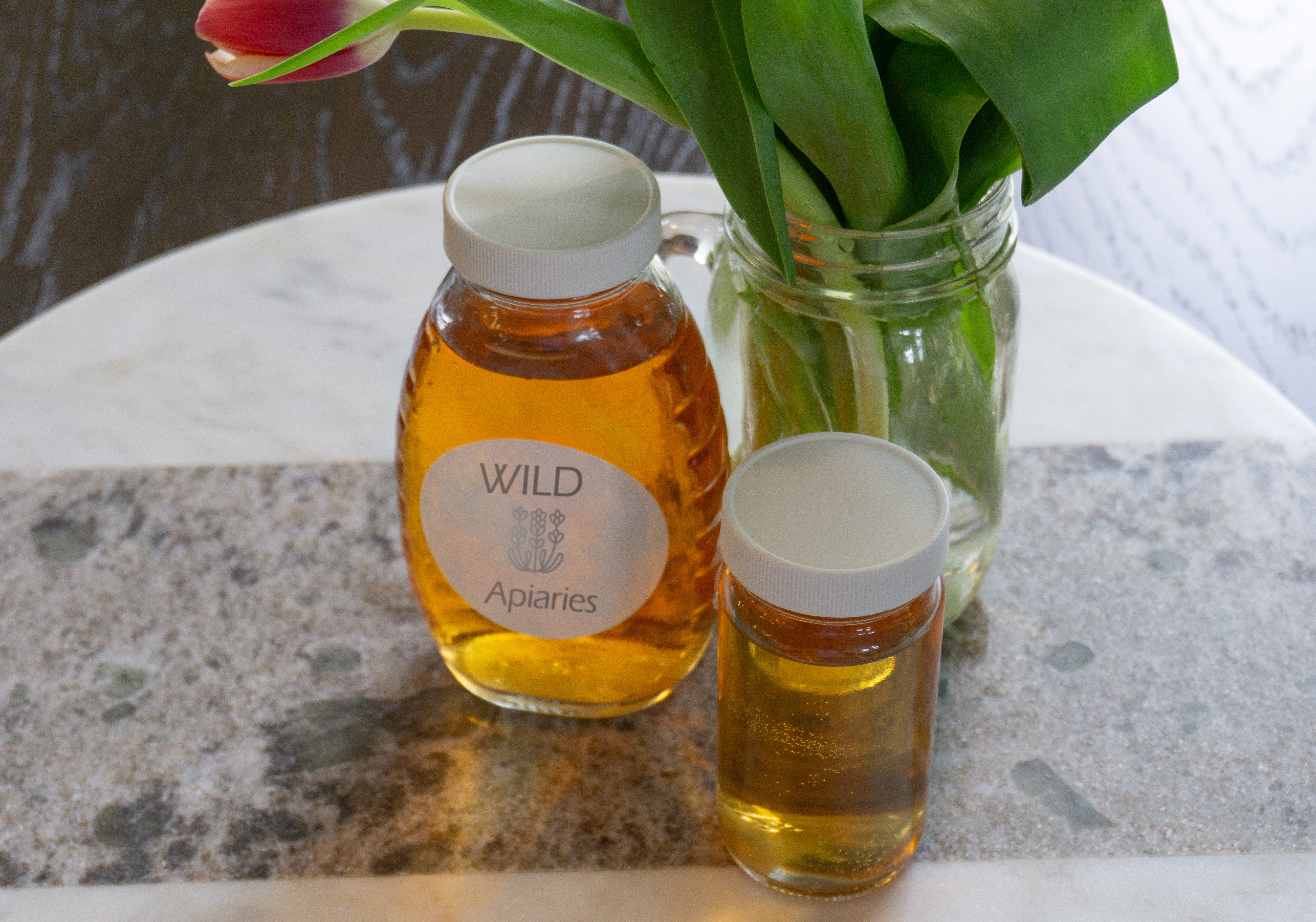
Another favorite among commercial and hobbyist beekeepers alike is the queenline jar. Queenline jars feature gently curved shoulders and a wider body, creating a traditional look that's familiar to many honey buyers. They are easy to fill during bottling and have a large, flat surface for labeling. They are also comfortable to hold and pour for customers.
Plastic Honey Bottles
For a cost and weight saving option, consider plastic honey containers! For producers selling through grocery stores or shipping directly to consumers, they often provide an excellent balance between affordability and convenience.
Food-grade PET plastic is commonly used because it is durable, yet still allows customers to clearly see the honey inside.
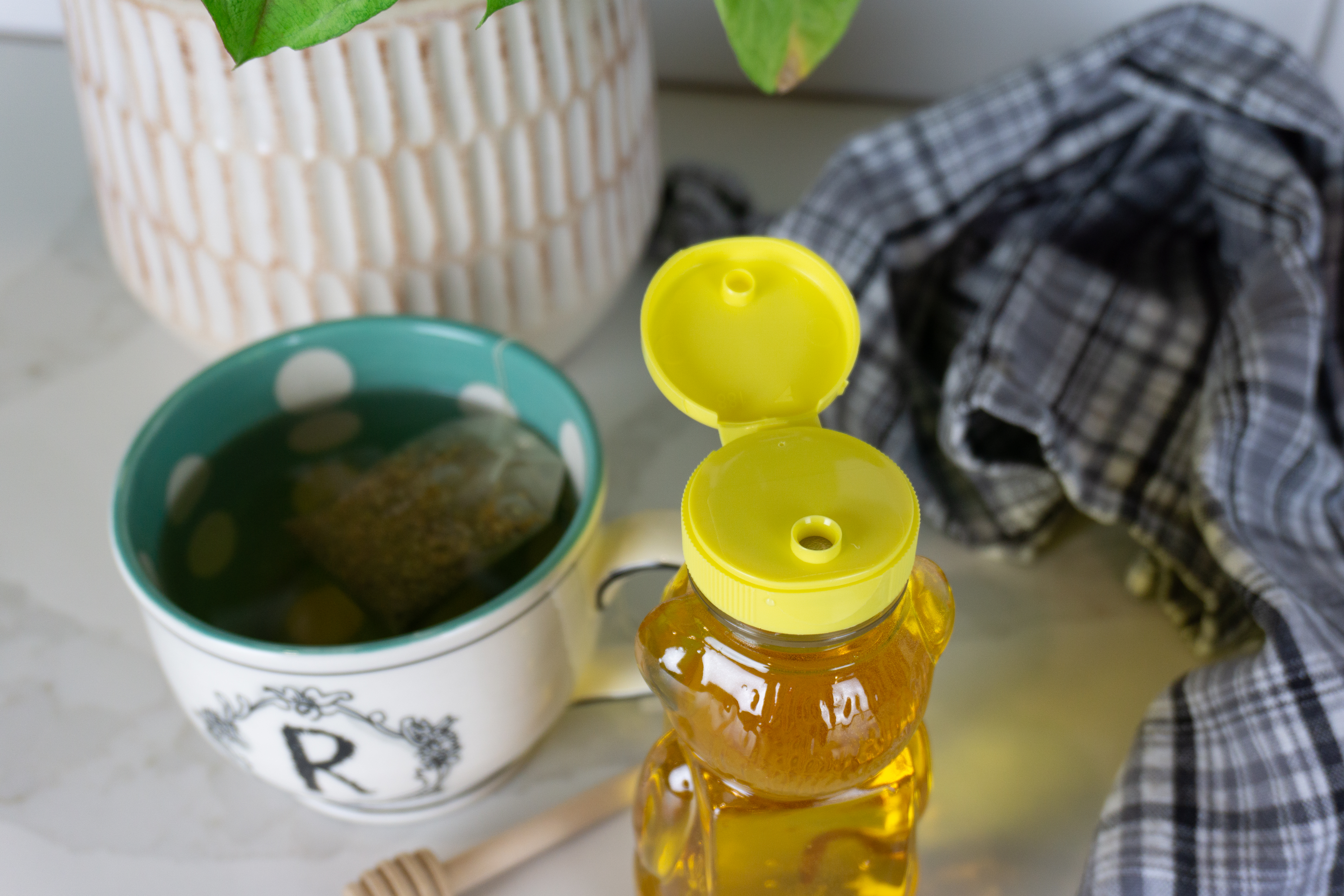
A favorite plastic honey jar option is the iconic honey bear bottle. Honey bears are especially popular because of their whimsical appeal, as well as being lightweight and inexpensive to fill and ship.
Which Bottle Is Right for You?
Burch offers multiple sizes of jars and bottles, allowing producers to appeal to different customer needs. Most of our containers are sized by volume, but keep an eye out for jars that are sized by honey weight. For instance, this glass queenline jar is meant to hold two pounds of honey.
We also carry a myriad of other sizes, from 2oz that are perfect for samples, 4-12oz for traditional retail, and 16oz+ for bulk purchasing.
Along with your container, make sure to find the right closure for your product. A secure cap helps maintain freshness and prevents leaks during storage and shipping. Consider metal or plastic lids – both flat and flip-top.
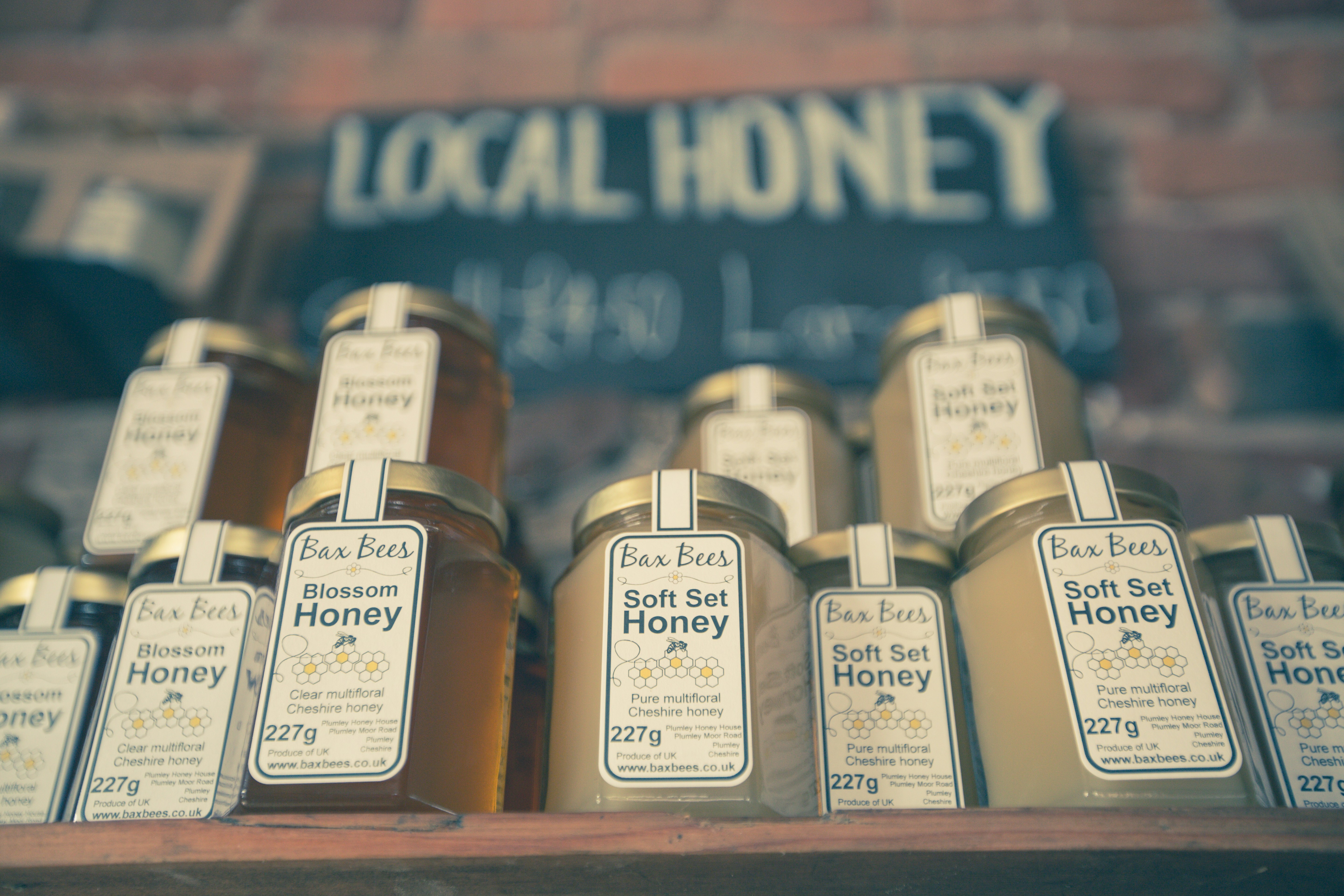
Labeling Requirements
No jar of honey is complete without proper labeling. Be familiar with any rules and regulations that are required in your region. Honey labeling regulations can vary depending on your location and how your honey is marketed, but producers should generally consider a few, key constraints.
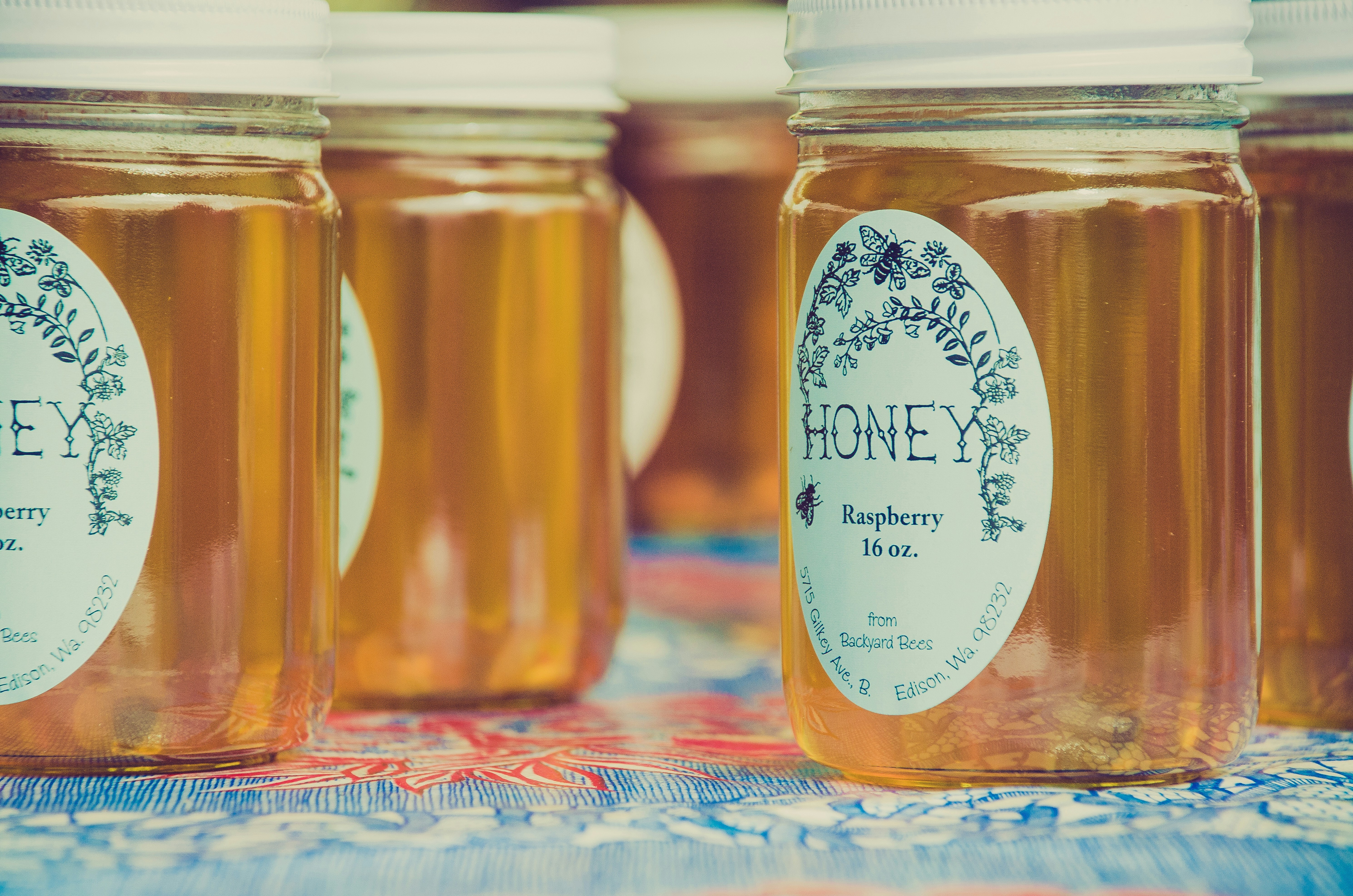
Make sure to clearly identify the product as "honey" on the principal display panel. Include the net weight, using both imperial and metric units wherever required. List the name and address of the producer, packer, or distributor. If applicable, identify the country where the honey was produced. Also include the ingredients, which in pure honey typically requires only a simple ingredient declaration (“Ingredients: Honey!”).
Many small honey producers qualify for exemptions from mandatory “Nutrition Facts” panels, but check for your eligibility, dependent on production and marketing factors.
In addition to the requirements, don’t forget that an attractive, uniquely-branded label can significantly increase your honey’s perceived value! Use clean, readable font in high-contrast colors, a prominent logo, and include information about your hive or honey source.
There isn't a single perfect honey jar for every producer, which is why we offer so many diverse options here at Burch!
For marketing premium raw honey, glass hex jars or queenline jars create an upscale appearance. If you're focused on e-commerce or family-friendly retail, plastic honey bears may offer lower shipping costs and greater convenience. Producers selling multiple product lines often benefit from offering several jar styles and sizes to meet different customer preferences.
No matter which packaging option you select, pairing a quality honey jar with distinctive labeling helps communicate the value of the honey inside.